SCU BRES Series
Container Battery Storage: Large-Scale Storage for Industry, Grid and Charging Infrastructure
Container battery storage from 240 kWh to 2.4 MWh. Outdoor-rated, with grid connection and conformity documents reviewed per project.
Models
BRES Series at a Glance
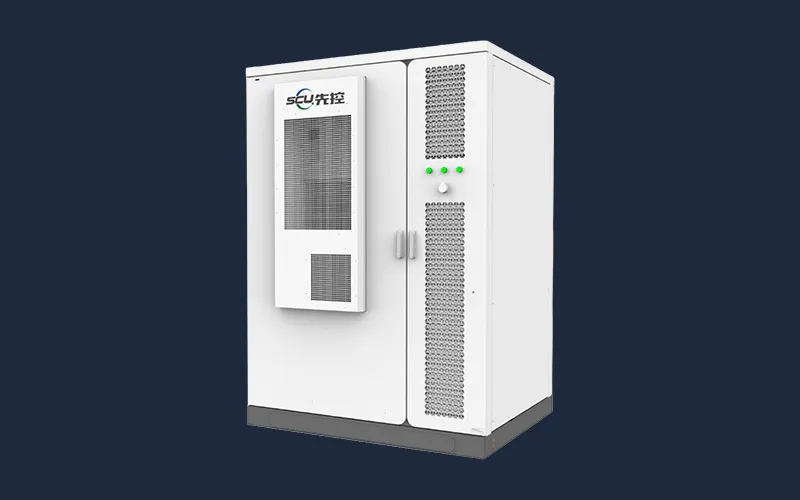
BRES-240-125
→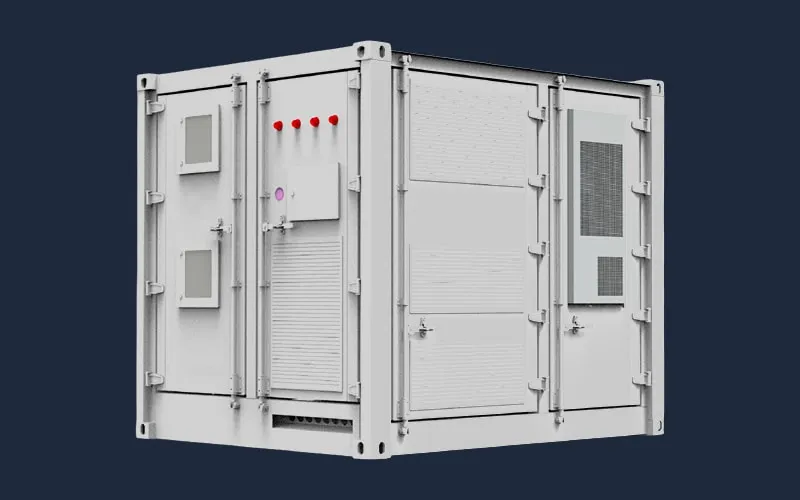
BRES-480-250
→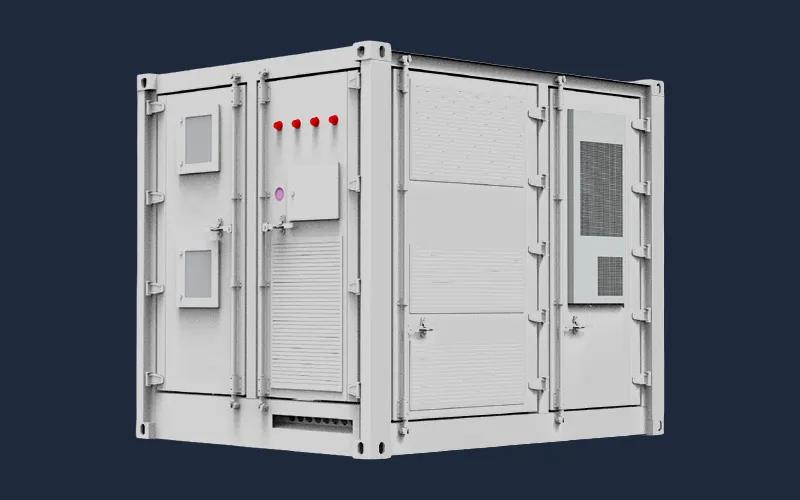
BRES-720-375
→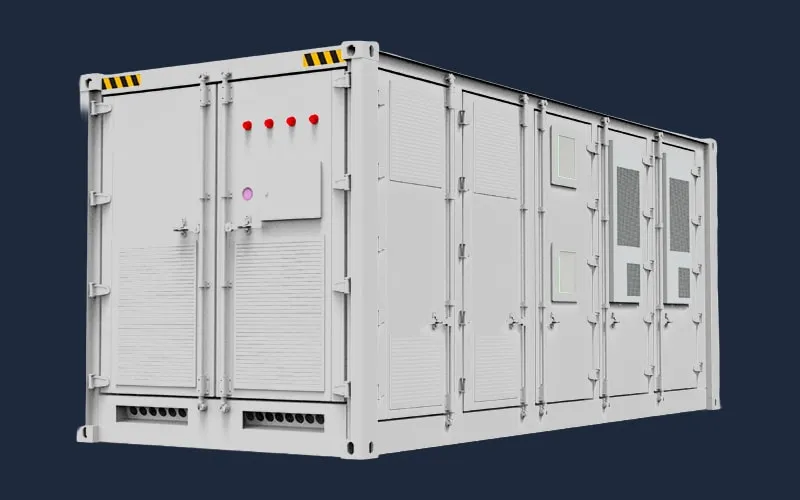
BRES-1200-625
→
BRES-2400-1250
→Benefits
Why Container-BESS?
LFP cells with active cooling
High cycle count, stable performance under higher loads and active thermal management.
Container-based architecture
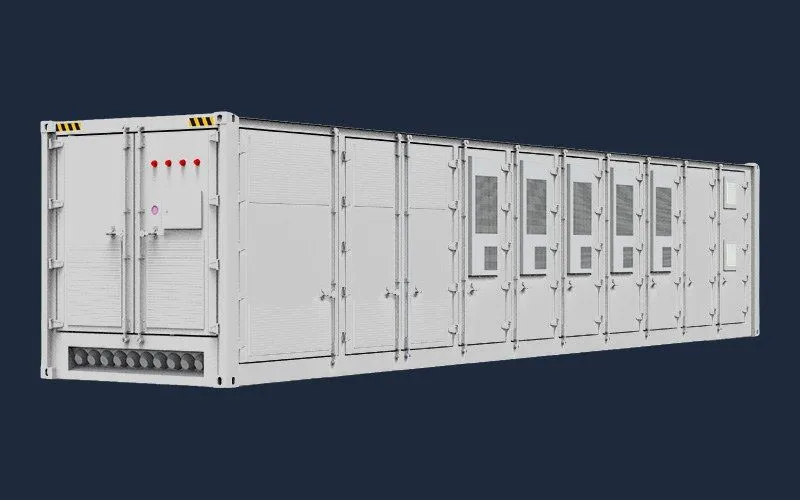
Transport-ready formats from compact BESS to 10ft, 20ft and 40ft systems.
Fire-safety concept
Monitoring and suppression concepts are reviewed per model, configuration and site.
Three-level BMS
Cell, module and system-level monitoring with cloud-capable operating data.
Project-specific conformity
VDE-AR-N 4105, VDE-AR-N 4110 and related documentation are checked per connection case.
Grid-service ready planning
Remote control, metering and market access are reviewed before Redispatch or balancing use cases.
Technical data
SCU BRES Container-BESS: Models and Specifications
| Parameter | BRES-240-125 | BRES-480-250 | BRES-720-375 | BRES-1200-625 | BRES-2400-1250 |
|---|---|---|---|---|---|
| Capacity | 240 kWh | 480 kWh | 723.4 kWh | 1,205.7 kWh | 2,411.5 kWh (2.4 MWh) |
| Power | 125 kW | 250 kW | 375 kW | 625 kW | 1,250 kW (1.25 MW) |
| Efficiency (max.) | 93% | 93% | 93% | 93% | 93% |
| Container | Compact BESS | All-weather container | 10ft ISO | 20ft ISO | 40ft ISO |
| Dimensions (mm) | 1,600 × 1,330 × 2,250 | on request | 3,000 × 2,438 × 2,591 | 6,058 × 2,438 × 2,591 | 12,196 × 2,438 × 2,591 |
| Cell technology | LiFePO4 | LiFePO4 | LiFePO4 | LiFePO4 | LiFePO4 |
| Cycles | ≥ 6,000 | ≥ 6,000 | ≥ 6,000 | ≥ 6,000 | ≥ 6,000 |
| BMS | 3-level + cloud | 3-level + cloud | 3-level + cloud | 3-level + cloud | 3-level + cloud |
| Cooling | Air conditioning | Air conditioning | Air conditioning | Air conditioning | Air conditioning |
| Ingress protection | IP54 | IP54 | IP54 | IP54 | IP54 |
| Communication | RS485, CAN | RS485, LAN, Modbus-TCP | RS485, LAN, Modbus-TCP | RS485, LAN, Modbus-TCP | RS485, LAN, Modbus-TCP |
Grid connection requirements, conformity documents and certification status are reviewed per project. Module-integrated and container-level fire suppression concepts are available depending on configuration.
Industries & use
Applications
Industry & Large Consumers
- Peak shaving: review demand peaks and contextualise demand charges
- Large-scale PV: buffer surplus generation and examine self-consumption per site
- Backup: keep critical processes running where the operating concept supports it
- Island mode: supply remote sites where the technical setup allows
Utilities & Energy Suppliers
- Primary frequency response (FCR): check technical and market eligibility
- Secondary frequency response (aFRR): automated frequency regulation
- Arbitrage: buy and sell electricity within a tariff and market model
- Redispatch 2.0: review regulatory requirements and operating implications
Charging Infrastructure & Mobility
- Fast-charging buffer: extend charging power within an existing grid connection
- Depot charging: support overnight charging of larger e-fleets
- Revenue stacking: combine charging, arbitrage and peak shaving where the site allows
Costs & benefits
Economics of a Container BESS
Economics of a large storage system depend on site, operating strategy, tariff sheet, market access and technical constraints. We therefore review the revenue components per project before quoting annual figures.
| Component | Review question |
|---|---|
| Peak shaving | Are there short, recurring demand peaks and a relevant demand charge? |
| PV self-consumption | Do generation, load profile and storage windows fit together? |
| Balancing energy | Are prequalification, marketing and operation realistic? |
| Arbitrage | Are tariffs, market model and technical approvals suitable? |
| Combination | Which operating strategy has priority and where do conflicts arise? |
Peak shaving is usually the quickest component to sanity-check for a site.
Check your demand peaks