SCU GRES Series
Commercial Storage: GRES Systems for Industry and Commerce
GRES commercial storage from 76.8 kWh to 307.2 kWh – with grid connection and conformity documents reviewed per project, plus service in Germany.
Models
SCU GRES Series Overview
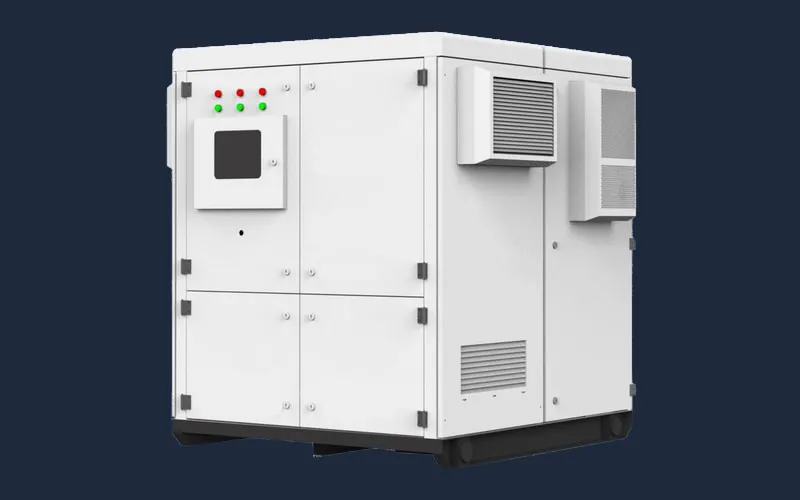
GRES-75-50
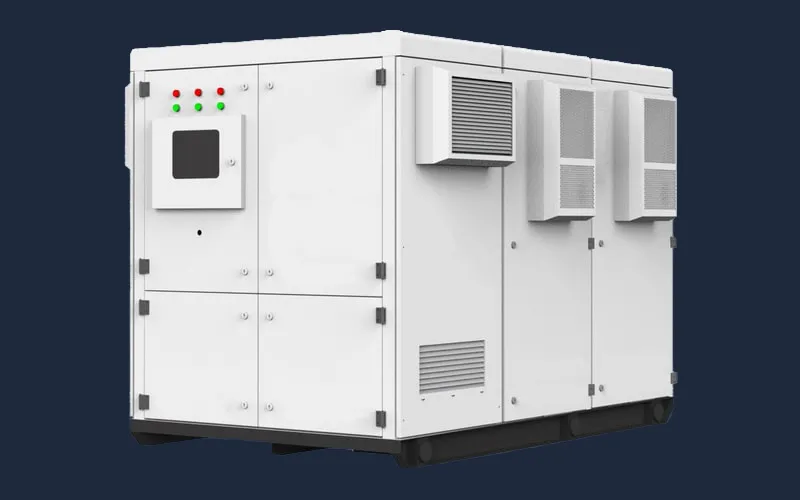
GRES-150-100
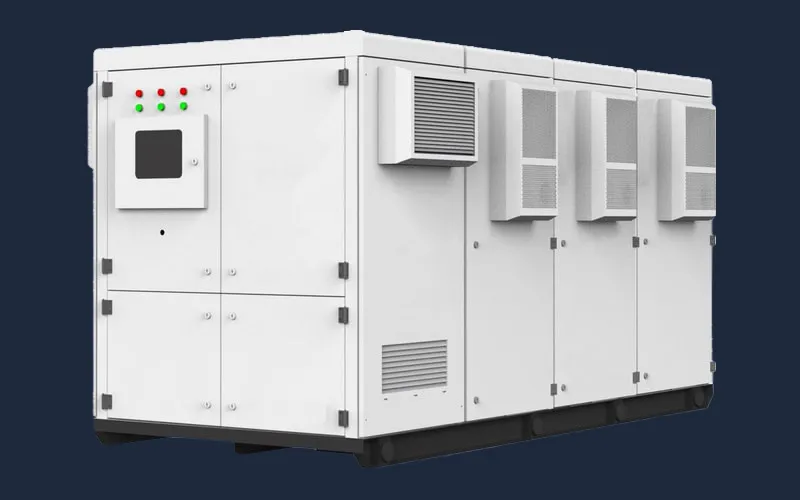
GRES-225-150
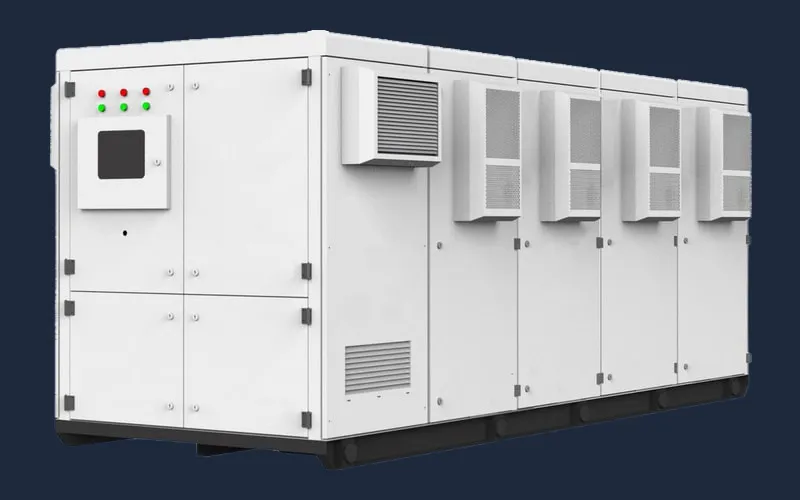
GRES-300-150
Benefits
Why GRES Storage?
LiFePO₄ Quality Cells
≥ 5,000 full cycles, inherently safe LiFePO₄ cell chemistry
Outdoor IP54
Operation from −20 °C to +55 °C, installed on a paved surface or foundation — no container needed, low maintenance
Integrated BMS + Cloud
Three-stage protection, remote monitoring, data analytics
Bidirectional PCS
Peak shaving, arbitrage, grid feed-in, load management
Grid Connection
Aligned with VDE-AR-N 4105 / 4110 and TAR rules
Service in Germany
Service contact point in Germany, on-site support
Compliance and Standards
The applicable grid-connection rule and conformity documents depend on voltage level, point of connection and the local grid operator. Detailed product-level documents are provided for the specific project.
Technical data
Technical Specifications
| Model | Capacity | Power | Dimensions (mm) | Weight |
|---|---|---|---|---|
| GRES-75-50 | 76.8 kWh | 50 kW | 1,680 × 1,500 × 1,700 | 1,395 kg |
| GRES-150-100 | 153.6 kWh | 100 kW | 1,680 × 2,270 × 1,700 | 2,470 kg |
| GRES-225-150 | 230.4 kWh | 150 kW | 1,680 × 3,050 × 1,700 | 3,545 kg |
| GRES-300-150 | 307.2 kWh | 150 kW | 1,680 × 3,830 × 1,700 | 4,620 kg |
All systems: LiFePO₄ cells, ≥ 5,000 cycles, up to 95 % efficiency, IP54, BMS with cloud monitoring. Dimensions W × D × H in mm. Operating temperature: −20 °C to +55 °C.
Industries & use
Where Commercial Storage Fits
Manufacturing
Demand peaks and demand-charge exposure can be reviewed with measured load data.
Logistics & Haulage
Charging fleets at the existing grid connection where capacity allows.
Retail & Property
PV self-consumption can be examined per site, depending on load and PV profile.
Utilities
Grid-service participation depends on metering, market access and operating concept.
Charge Point Operators
Add charging power within an existing connection budget where the load profile allows.
Costs & benefits
Economics: What Drives the Business Case?
Load profile
as a basis
kW / kWh
sized separately
Tariff sheet
checked per project
A defensible business case needs measured load data, the grid operator tariff sheet and the planned operating strategy.
→ Estimate your savings: peak shaving calculator